
Comprehensive Medical District Commercial Cleaning Services in Cedar City
Comprehensive Medical District Commercial Cleaning Services in Cedar City: Ensuring Healthcare Facility Safety and Compliance
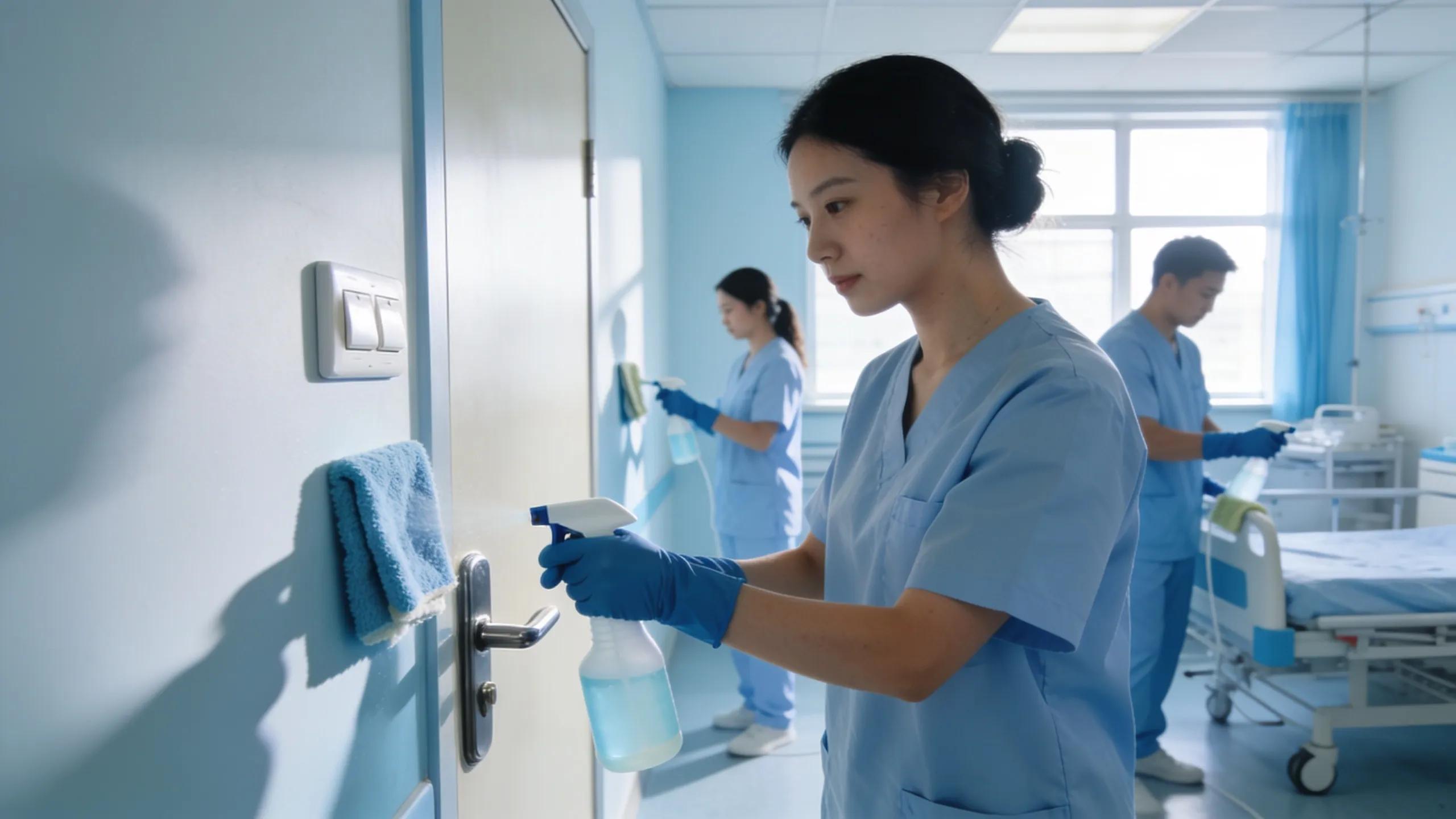
Maintaining a clean environment in medical facilities is essential for ensuring patient safety and promoting overall health. In Cedar City, commercial cleaning services designed specifically for medical districts play a vital role in upholding hygiene standards and compliance with health regulations. This article explores the significance of professional janitorial services in medical settings, highlighting the various aspects that contribute to effective clinic sanitation and disinfecting services. Readers will learn about the crucial protocols and technologies that enhance cleaning efficiency, as well as the importance of customized cleaning protocols tailored to the needs of different medical clinics.
With growing concerns about infection control and patient safety, understanding the requirements and benefits of specialized medical cleaning services is more important than ever. This guide outlines the key janitorial practices, safety standards, and technological advancements that support efficient cleaning operations in Cedar City’s medical facilities. We will also address common inquiries regarding cleaning frequency and the costs associated with these necessary services.
What Professional Janitorial Services Are Essential for Medical Districts?
Effective janitorial services in medical districts are tailored to meet the unique sanitation requirements of healthcare facilities. These services encompass a variety of cleaning methods designed to eliminate pathogens and ensure a safe environment for patients, staff, and visitors. Specialized cleaning practices are crucial in medical settings, as they contribute to compliance with health regulations and improve overall sanitation.
Defining Clinic Sanitation and Commercial Disinfecting Services
Clinic sanitation involves the systematic cleaning and disinfecting of all surfaces within a medical facility to minimize the risk of infection. The types of services provided typically include deep cleaning, floor maintenance, and high-touch surface disinfection. These processes are essential for preventing the spread of pathogens and maintaining hygiene standards. Key components of successful sanitation practices are the use of EPA-approved disinfectants and adherence to established cleaning protocols to ensure effective disinfection.
How Do Janitorial Experts Maintain Hygiene Standards in Healthcare Centers?
Janitorial professionals employ a range of methods to uphold hygiene standards in healthcare facilities. These methods include thorough training in health compliance standards and the implementation of sanitation protocols guided by the latest research. Regular audits and assessments ensure these professionals consistently meet the necessary hygiene requirements. Additionally, employing high-efficiency particulate air (HEPA) filters in vacuums and using specialized cleaning equipment minimizes cross-contamination and enhances the effectiveness of cleaning procedures.
How Do Hospital Cleaning Services Meet Healthcare Facility Regulations in Cedar City?
Hospital cleaning services play a critical role in ensuring compliance with health regulations that govern medical facilities. These regulations are designed to protect patient health and safety, making it essential for cleaning services to adhere to them meticulously.
Which Safety and Sanitation Standards Govern Medical District Cleaning?
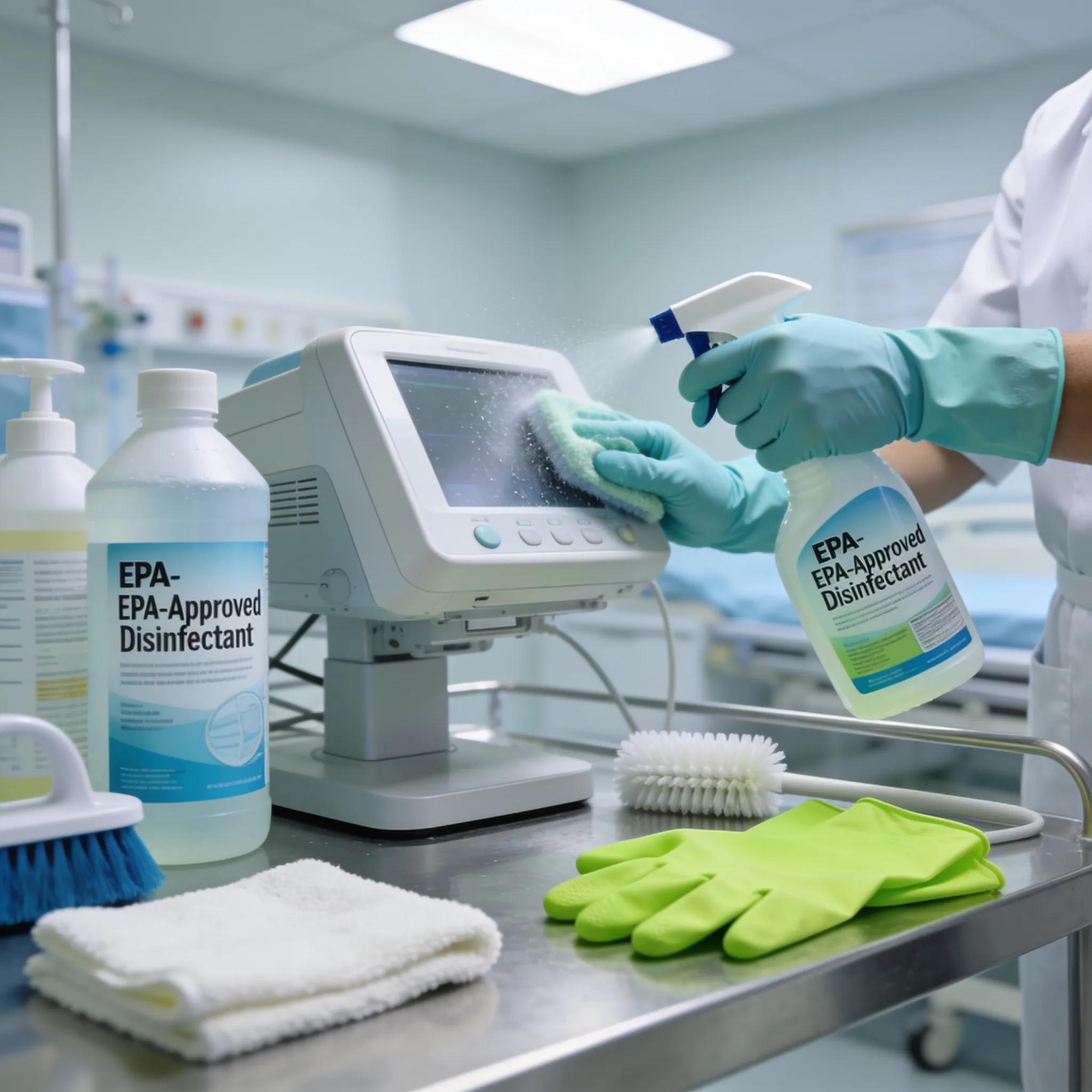
Key safety and sanitation standards, such as those set forth by OSHA and the CDC, guide the cleaning practices of hospitals and clinics. In Cedar City, local health regulations further inform these standards to ensure alignment with community health needs. Non-compliance with these regulations can have severe implications, including penalties and increased healthcare-associated infections (HAIs).
What Certifications and Quality Checks Ensure Service Reliability?
To maintain high standards of service, cleaning companies are often required to hold specific certifications that verify their competency in health and safety protocols. Certifications such as those from the International Sanitary Supply Association (ISSA) and adherence to local health department regulations provide assurance to healthcare facilities. Regular quality checks and training updates are also crucial for ensuring that service providers continue to follow best practices.
What Are the Latest Technologies Advancing Medical District Cleaning Efficiency?
The integration of new technologies has significantly improved cleaning efficiency in medical facilities. These advancements not only enhance the cleaning process but also ensure that the methods employed are effective against a wide array of pathogens.
How Does UV-C and EPA-Approved Disinfectants Improve Clinic Sanitization?
The use of UV-C light for sanitization has gained traction in medical settings due to its ability to eliminate bacteria and viruses from surfaces and air. Additionally, utilizing EPA-approved disinfectants ensures that the cleaning products meet safety and health efficacy standards, providing comprehensive protection against harmful microbes. These technologies, when combined with traditional cleaning methods, create a thorough sanitizing routine that boosts patient safety.
What Role Does Sustainable Cleaning Play in Cedar City Healthcare Facilities?
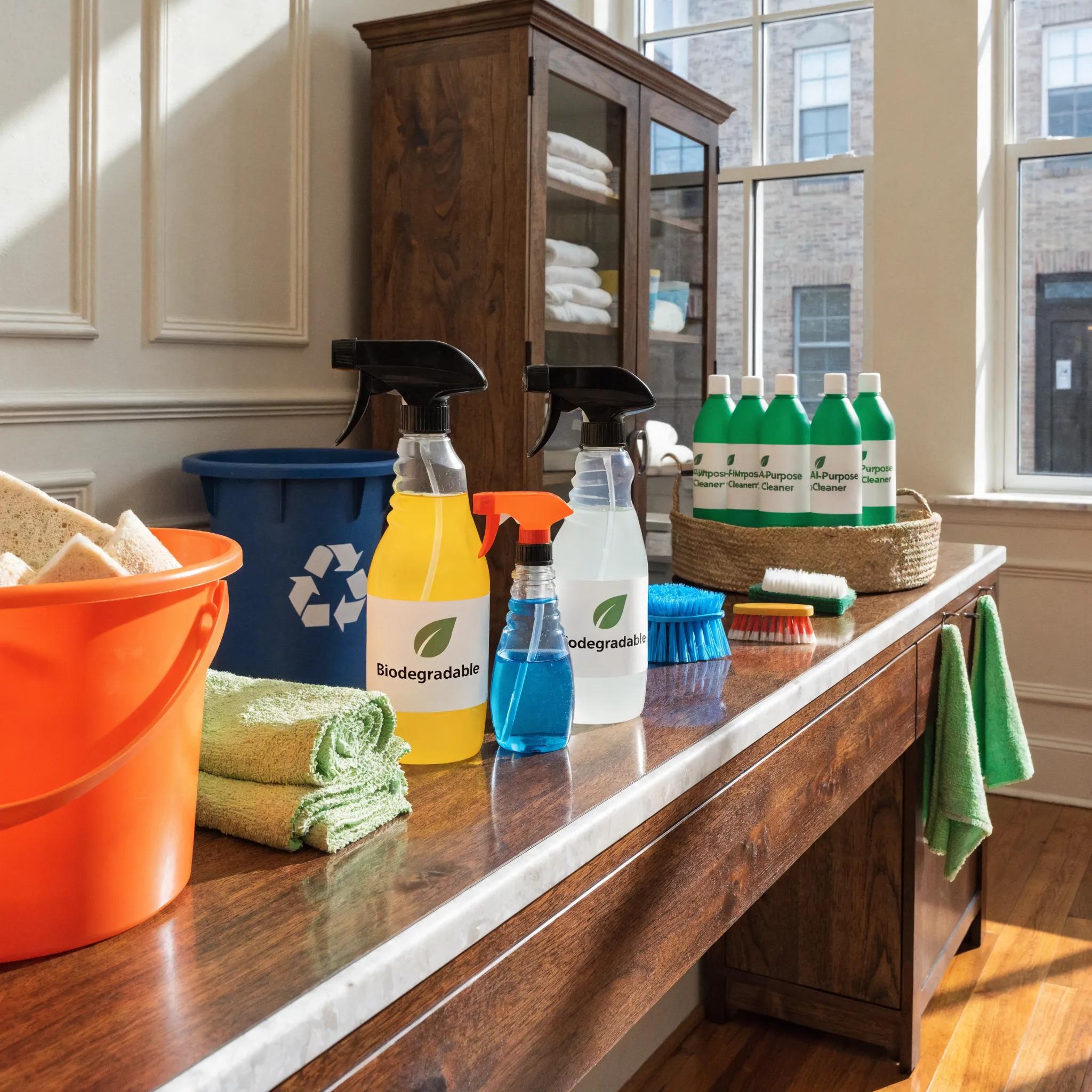
Sustainable cleaning practices are becoming increasingly important in Cedar City’s healthcare environment. Green cleaning solutions not only protect patients from harmful chemicals but also contribute to environmental conservation. Organizations adopting these practices can reduce their ecological footprint while ensuring the health and safety of their patients and staff. Efficient resource management, such as water conservation and the use of biodegradable products, further supports sustainable operations in medical facilities.
How Do Customized Cleaning Protocols Enhance Safety in Cedar City Medical Facilities?
Customizing cleaning protocols to fit the specific needs of different medical facilities is paramount for enhancing safety. Such tailored cleaning plans enable healthcare providers to address unique considerations based on the type of services offered within the clinics.
What Are the Best Practices for Clinic Cleaning Frequency and Disinfection?
Establishing a recommended cleaning frequency is crucial for effective infection control. The CDC suggests that high-traffic areas and critical touchpoints be disinfected multiple times a day, while other areas may only need daily or weekly cleaning. Custom cleaning schedules can help clinics avoid potential risks associated with inadequate sanitation.
How Are Cleaning Services Adapted for Different Medical Clinic Types?
Different types of medical clinics require varying cleaning services based on their specific operations. For instance, a dental clinic may need specialized cleaning equipment to manage aerosols, whereas an outpatient surgical center may require more stringent infection control measures. Understanding these differences ensures that cleaning services are both effective and compliant.
What Evidence Supports the Effectiveness of Medical District Commercial Cleaning?
The effectiveness of professional cleaning in medical districts can be demonstrated through various studies and reports indicating improved infection control and patient outcomes.
Which Client Testimonials and Case Studies Highlight Success in Cedar City?
Numerous case studies reveal the positive impacts of enhanced cleaning protocols on patient satisfaction and safety. Facilities that have enacted more rigorous cleaning schedules have reported a decrease in hospital-acquired infections and a boost in patient trust, reinforcing the necessity of specialized cleaning services.
What Infection Control Improvements Are Attributable to Professional Cleaning?
Evidence indicates that professional cleaning services contribute significantly to infection control. Facilities that implement consistent cleaning regimens and utilize advanced disinfecting technologies have seen marked improvements in infection rates, ultimately supporting better health outcomes for patients.
What Are Common Client Questions About Cedar City Medical District Cleaning Services?
Many potential clients often have inquiries regarding cleaning frequency and associated costs when considering professional cleaning services.
How Often Should Medical Clinics Be Professionally Cleaned?
Medical clinics should ideally be cleaned daily, with high-touch surfaces sanitized multiple times throughout the day. This frequency is crucial for minimizing infection risks and maintaining a safe environment for both patients and staff.
What Is the Typical Cost Range of Medical Facility Cleaning Services?
The cost of medical facility cleaning services can vary significantly based on the facility type, size, and specific cleaning requirements. Generally, clients can expect to pay between $0.10 to $0.50 per square foot, depending on the intensity and frequency of the cleaning needed. For specialized services, additional costs may apply, ensuring comprehensive sanitation and safety measures are met.


